Unlocking Value FromComplex Feedstocks

Higher throughput yields and substantially lower capital and operating costs than traditional processes.

Fodere is developing a critical minerals processing technology aimed at one of the hardest problems in the sector: how to economically and responsibly treat complex mineral bearing materials that do not fit neatly into conventional flowsheets.

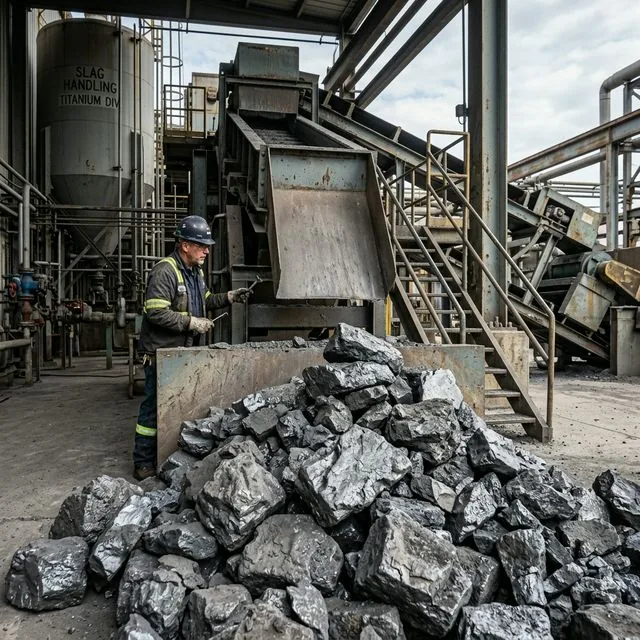
Many valuable materials sit in streams that are difficult to process. These can include concentrates, whole ores, slags, tailings, stockpiles, lower-grade ores, mixed mineral systems and industrial byproducts. In many cases, the issue is not whether the material contains value. It is whether there is a treatment route that can recover that value in a way that is technically stable, operationally manageable and commercially credible.

Technology
Technology
Technology
Interactive Demo

See The Transformation

Drag to process the waste

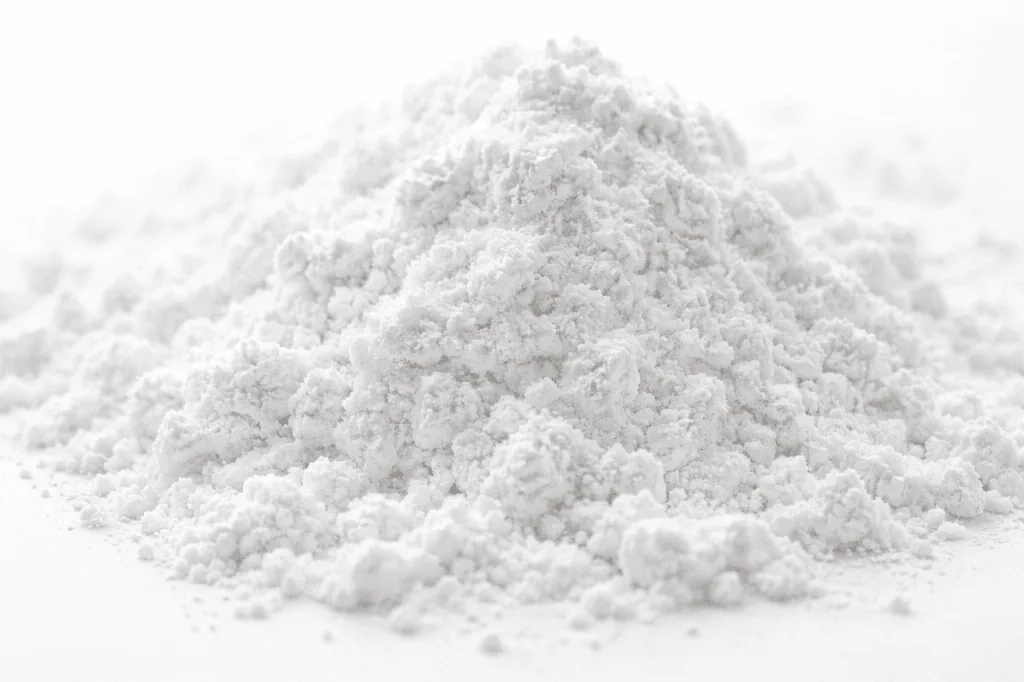
Pure Titanium Dioxide

Pure Value

99.9% Titanium Dioxide

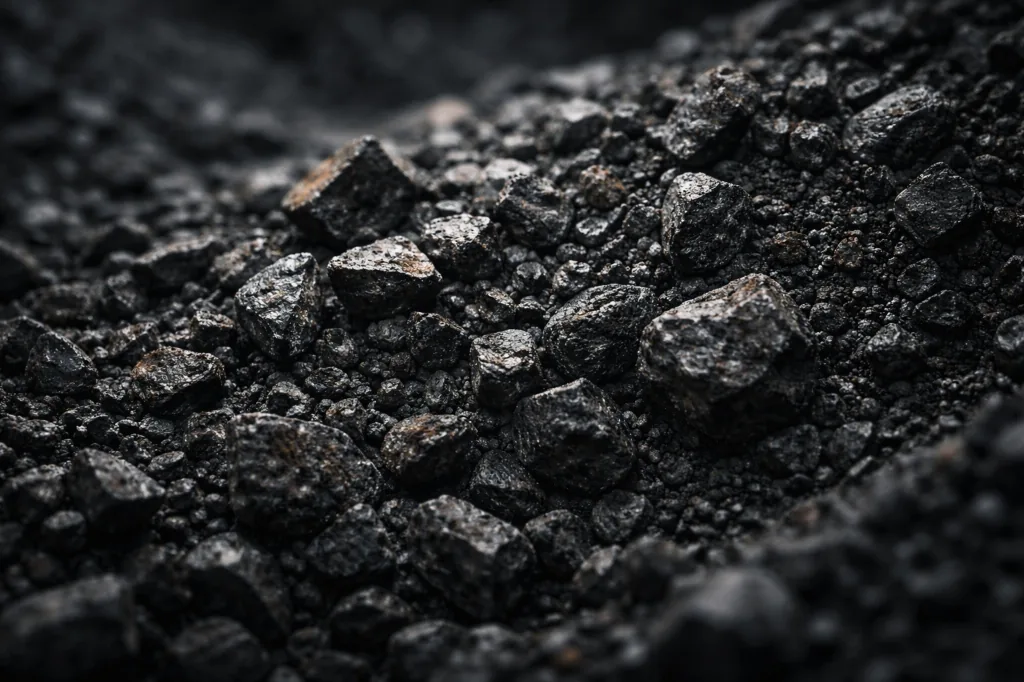
Raw Mining Waste

Raw Waste

Mining Tailings

What the Technology Is Designed to Achieve

Fodere's patented hydro and pyro-metallurgical extraction platform is being developed to enhance recovery across a broad range of mineral systems, including critical metals, battery metals, PGMs, precious metals, base metals and rare earth elements. The process is intended to be well suited to increasingly complex ores and secondary materials.

The development focus is on stronger throughput yields and a lower capital and operating cost profile than many conventional processing routes, while maintaining attention to safety, water and reagent efficiency, environmental compliance, and scalability from pilot to commercial deployment.

Designed for Complex Feedstocks

Rather than relying on a one-size-fits-all approach, the Fodere model begins with feedstock understanding. Mineralogy, impurity profile, particle size distribution, phase association and downstream product requirements all influence the processing route.

That matters because complex feedstocks often fail in conventional circuits precisely because the process was not designed around the material.

Technology Maturity

Fodere's technology has already achieved positive pilot-scale results and is now advancing toward a 7-ton-per-day pre-commercial plant.

This next-stage facility is designed to bridge the gap between pilot validation and full commercial rollout by demonstrating operability, feedstock flexibility, recovery performance and scale-up readiness.

Why This Technology Matters

Critical minerals are increasingly central to industrial policy, energy transition planning and supply-chain resilience. Yet many known resources remain underdeveloped because the processing route is too complex, too expensive or too uncertain. Technology that can expand the range of treatable feedstocks may therefore unlock both new supply and new forms of resource recovery.

For mining companies, industrial operators, OEMs and public-sector stakeholders, the opportunity is not only greater recovery. It is access to a more flexible and circular processing route that can convert difficult material into strategic value.

Fig 2.1 - Process Architecture

How the Technology Works

At a high level, the Fodere process combines feed preparation, controlled treatment stages, selective separation, and product upgrading. The route is shaped by detailed feedstock characterisation, allowing mineralogy, impurity profile, and downstream product requirements to determine the optimum treatment pathway rather than imposing a standard flowsheet on complex material. A key advantage of the process is its significantly lower operating temperature relative to many conventional alternatives, supporting lower energy demand and a more attractive capital and operating cost profile.

PHASE 01

Feed Preparation

Characterising mineralogy & impurities

PHASE 02

Controlled Treatment

Selective chemical activation

PHASE 03

Selective Separation

Targeted metal recovery

PHASE 04

Product Upgrading

Meeting downstream requirements

Key Technology Highlights

Designed for concentrates, whole ores, slags, tailings and other complex mineral-bearing materials

Aims to enhance recovery of critical metals, battery metals, PGMs, precious and base metals, and REEs

Developed with a strong focus on safety, compliance, circularity and industrial practicality

Structured for phased scale-up from pilot validation to a 7 tpd pre-commercial plant and onward commercial deployment

Potential to improve resource efficiency while reducing reliance on conventional single-stream flowsheets

Designed to process diverse feedstocks across multiple mineral classes

Strategic Impact

Economic Viability

Attractive EBITDA Margins & Low Operating Costs. High value product output ensures rapid ROI.

  • Attractive EBITDA Margins
  • Low Operating Costs
  • High Value Output
Learn More

Cost Efficiency

Shared production costs across multiple minerals (Ti, V, Al) create a highly attractive revenue-to-cost ratio.

  • Multi-mineral Revenue
  • Diversified Income
  • Shared Opex
Learn More

Climate Solutions

Zero Waste & Reduced Carbon Footprint. Directly addressing long-term climate change impact with sustainable tech.

  • Lower Carbon Footprint
  • Zero Waste Output
  • Sustainable Future
Learn More

Low Technical Risk

Innovation lies in the process, not unproven hardware. Uses standard, cost-effective industrial equipment.

  • Proven Equipment
  • Standard Hardware
  • Process Innovation
Learn More

Frequently Asked Questions

Common definitions and capabilities regarding our proprietary processes.

What types of feedstock can Fodere's technology process?

The platform is being developed for complex mineral-bearing materials, including concentrates, whole ores, slags, tailings, stockpiles and selected industrial byproducts. Final suitability depends on mineralogy, chemistry and commercial objectives.

Is the technology only relevant to primary mining projects?

No. One of the main opportunities is in secondary resources and legacy materials where valuable minerals remain unrecovered. Suitability must still be confirmed through testwork and commercial review.

What makes the technology different from a conventional flowsheet?

The focus is on process design for complex and variable feedstocks. Rather than assuming standard treatment routes will work, the route is tailored around feed behaviour, recovery requirements and operational practicality.

How mature is the technology?

Fodere's technology has already achieved positive pilot-scale results and is now advancing toward a 7-ton-per-day pre-commercial plant. This next-stage facility is designed to bridge the gap between pilot validation and full commercial rollout by demonstrating operability, feedstock flexibility, recovery performance and scale-up readiness.

What sustainability benefits does the process aim to deliver?

Potential benefits may include improved recovery from existing materials, reduced waste volumes, better use of legacy resources and opportunities for water or reagent recycling. Only quantified benefits should be published with evidence.

How can a company engage with Fodere?

Companies can engage by submitting a feedstock enquiry, requesting a technical review, discussing pilot work or exploring strategic partnership and deployment options.